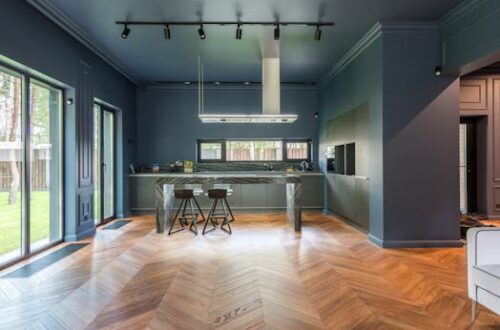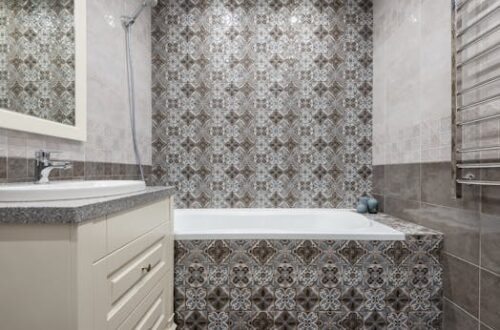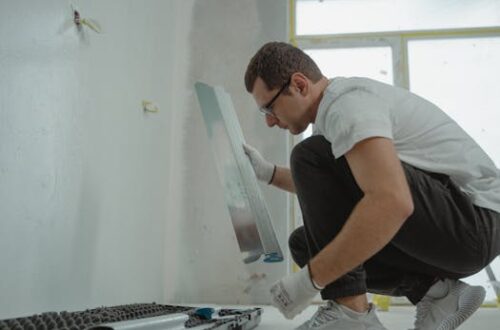
Imagine this: you’re finally ready to give your kitchen that long-awaited facelift. You’ve flipped through countless magazines, scrolled through endless Pinterest boards, and you have a clear vision of sleek countertops and gleaming new cabinets. But then, a thought creeps in: what’s the environmental cost of all this newness? Is there a way to achieve that dream aesthetic while also being kinder to the planet? This is where the conversation around Eco-Friendly Renovations truly begins. It’s not just about choosing a slightly greener paint color; it’s a deeper dive into the materials we use, the energy we consume, and the long-term impact of our building choices.
The “Why” Behind Sustainable Home Upgrades
So, why should we even consider eco-friendly renovations? Beyond the obvious altruistic desire to reduce our carbon footprint, there are compelling practical and financial reasons. Think about it: a well-renovated, energy-efficient home isn’t just good for the planet; it’s demonstrably better for your wallet. Reduced energy bills from improved insulation or efficient appliances can significantly offset initial costs over time. Furthermore, investing in sustainable materials can often mean opting for healthier indoor environments, free from harmful volatile organic compounds (VOCs) often found in conventional building products. It’s a holistic approach that benefits both the occupants and the wider world.
Decoding “Green” Materials: What’s Truly Sustainable?
The market is flooded with products claiming to be “eco-friendly.” But how do we sift through the marketing jargon and identify genuinely sustainable options? This is where critical thinking comes into play.
Reclaimed and Recycled Content: Materials like reclaimed wood for flooring or countertops, recycled glass tiles, or insulation made from recycled paper are fantastic choices. They divert waste from landfills and reduce the demand for virgin resources. Have you ever considered the story behind reclaimed materials? Often, they carry a unique character that new materials simply can’t replicate.
Rapidly Renewable Resources: Bamboo, cork, and linoleum (made from linseed oil) are excellent examples. These materials grow quickly, meaning their harvesting has a lower environmental impact compared to slower-growing timber.
Low-VOC Products: This is crucial for indoor air quality. Paints, adhesives, sealants, and finishes with low or zero VOCs contribute to a healthier living space. I’ve often found that the difference in air quality after using low-VOC products is palpable.
Locally Sourced Materials: Whenever possible, opting for materials sourced near your project site reduces transportation emissions. It’s a simple yet impactful way to shrink your renovation’s carbon footprint.
Durability and Longevity: Sometimes, the most eco-friendly choice is the one that lasts. Investing in high-quality, durable materials means you won’t have to replace them as often, ultimately saving resources and reducing waste in the long run.
Beyond Materials: Energy Efficiency in Your Renovation
When we talk about eco-friendly renovations, it’s easy to get fixated on the shiny new materials. However, one of the most impactful areas for sustainability lies in improving your home’s energy efficiency. This is where your renovation can truly pay dividends for years to come.
#### Boosting Insulation for a Smarter Home
Is your home a sieve for heat in the winter and a greenhouse in the summer? Upgrading insulation is often one of the most cost-effective ways to improve energy performance.
Attic Insulation: This is frequently the biggest culprit for heat loss. Adding more insulation here can make a dramatic difference.
Wall Insulation: While more disruptive, insulating walls during a renovation can significantly enhance comfort and reduce energy bills. Consider options like blown-in cellulose or recycled denim insulation.
Crawl Spaces and Basements: Don’t forget these often-overlooked areas. Proper insulation here prevents heat loss and can help with moisture control.
#### Windows and Doors: The Portal to Efficiency
Old, drafty windows and doors can be major energy drains. When considering replacements, look for:
ENERGY STAR® Certified Products: These meet strict energy efficiency guidelines set by the EPA.
Double or Triple-Pane Glazing: Multiple panes of glass with inert gas fills (like argon or krypton) provide superior insulation.
Low-E Coatings: These microscopic coatings reflect heat, keeping your home cooler in the summer and warmer in the winter.
#### Smart Heating and Cooling Systems
The heart of your home’s energy consumption often lies in its HVAC system.
High-Efficiency Furnaces and Air Conditioners: When it’s time for an upgrade, opt for units with high AFUE (Annual Fuel Utilization Efficiency) for furnaces and SEER (Seasonal Energy Efficiency Ratio) for air conditioners.
Ductless Mini-Splits: These are incredibly efficient for heating and cooling specific zones, offering great flexibility and reducing energy waste.
Programmable or Smart Thermostats: These allow you to automatically adjust temperatures based on your schedule, saving energy when you’re away or asleep.
The Water-Wise Renovation
It’s not just about energy; water conservation is another critical aspect of eco-friendly renovations.
Low-Flow Fixtures: Installing low-flow toilets, showerheads, and faucets can drastically reduce household water consumption without a noticeable difference in performance.
Greywater Systems: Have you heard of these? Greywater systems reuse water from sinks, showers, and washing machines for non-potable uses like toilet flushing or garden irrigation. It’s a fascinating concept gaining traction.
* Rainwater Harvesting: Collecting rainwater for garden use can significantly cut down on municipal water usage.
Navigating the Cost and Complexity: Is it Worth It?
A common question that arises is about the upfront cost of eco-friendly renovations. While some sustainable materials or technologies might have a higher initial price tag, it’s essential to look at the long-term return on investment. As we’ve touched upon, reduced energy and water bills can significantly offset these costs over time. Furthermore, many green building certifications, like LEED or Green Globes, can increase your property value.
It’s also important to note that “eco-friendly” doesn’t have to mean a complete overhaul. You can incorporate sustainable practices incrementally. Start with a few impactful changes, like choosing reclaimed wood for a feature wall or switching to low-VOC paints for a single room. Every step matters.
Wrapping Up: Your Home, Your Impact
Embarking on eco-friendly renovations is more than just a trend; it’s a conscious decision to build and live more harmoniously with our environment. It involves a thoughtful approach to material selection, energy efficiency, and water conservation. By asking the right questions and seeking out sustainable alternatives, you can transform your home into a space that is not only beautiful and comfortable but also contributes positively to the planet’s well-being.
So, as you plan your next home improvement project, consider this: what small, sustainable change can you make today that will ripple outwards, creating a healthier home and a healthier world for tomorrow?